
Discrimination
-
At Solidarity Solicitors, we provide strategic, trauma-informed advice and representation for workers. We understand that these experiences can have a profound impact on your wellbeing, career, and financial security, and we work alongside our clients to achieve practical and meaningful outcomes.
Everyone deserves to be treated with dignity and respect.
If you have been treated unfairly because of who you are, what you believe, or because you exercised a workplace right, you may have legal protections available.
Book your free initial consult with us today
What is Discrimination?
Discrimination occurs when a person is treated less favourably because of a protected attribute.
Protected attributes include:
Sex or gender
Pregnancy or breastfeeding
Family or carer's responsibilities
Race, ethnicity or national origin
Disability or impairment
Age
Sexual orientation
Gender identity or intersex status
Religion
Political opinion
Industrial activity or union membership
Other characteristics protected under anti-discrimination laws
Workplace discrimination can occur at any stage of employment.
Examples of workplace discrimination may include:
Being dismissed, demoted, or overlooked for promotion
Being denied training, opportunities, or workplace benefits
Being subjected to less favourable working conditions
Harassment, bullying, or exclusion linked to a protected attribute
A failure to provide reasonable adjustments for a worker with a disability
Under Victorian and federal laws, employers must create a workplace where everyone is treated fairly, respectfully, and free from discrimination and harassment.
It's against the law for an employer to treat you unfairly because you've spoken up.
This unfair treatment can include:
Being fired
Having your hours cut
Being demoted
Missing out on opportunities or being treated differently at work.
The law protects workers who speak up about problems like discrimination, unsafe work, or unpaid wages.

Time Limits Can Apply!
In some circumstances, workers may have as little as 21 days to commence certain legal processes following dismissal.
Seeking advice as early as possible can help preserve your rights and options.
Under Victorian and federal laws, employers must create a workplace where everyone is treated fairly, respectfully, and free from discrimination and harassment.
How we can help:
If you've experienced discrimination, we're here to listen and help you understand your options.
Our team provides trauma-informed, practical legal advice and will support you every step of the way.
We have covered from:
and more.
Book a trauma informed, obligation free consultation with Laura today
Latest Updates
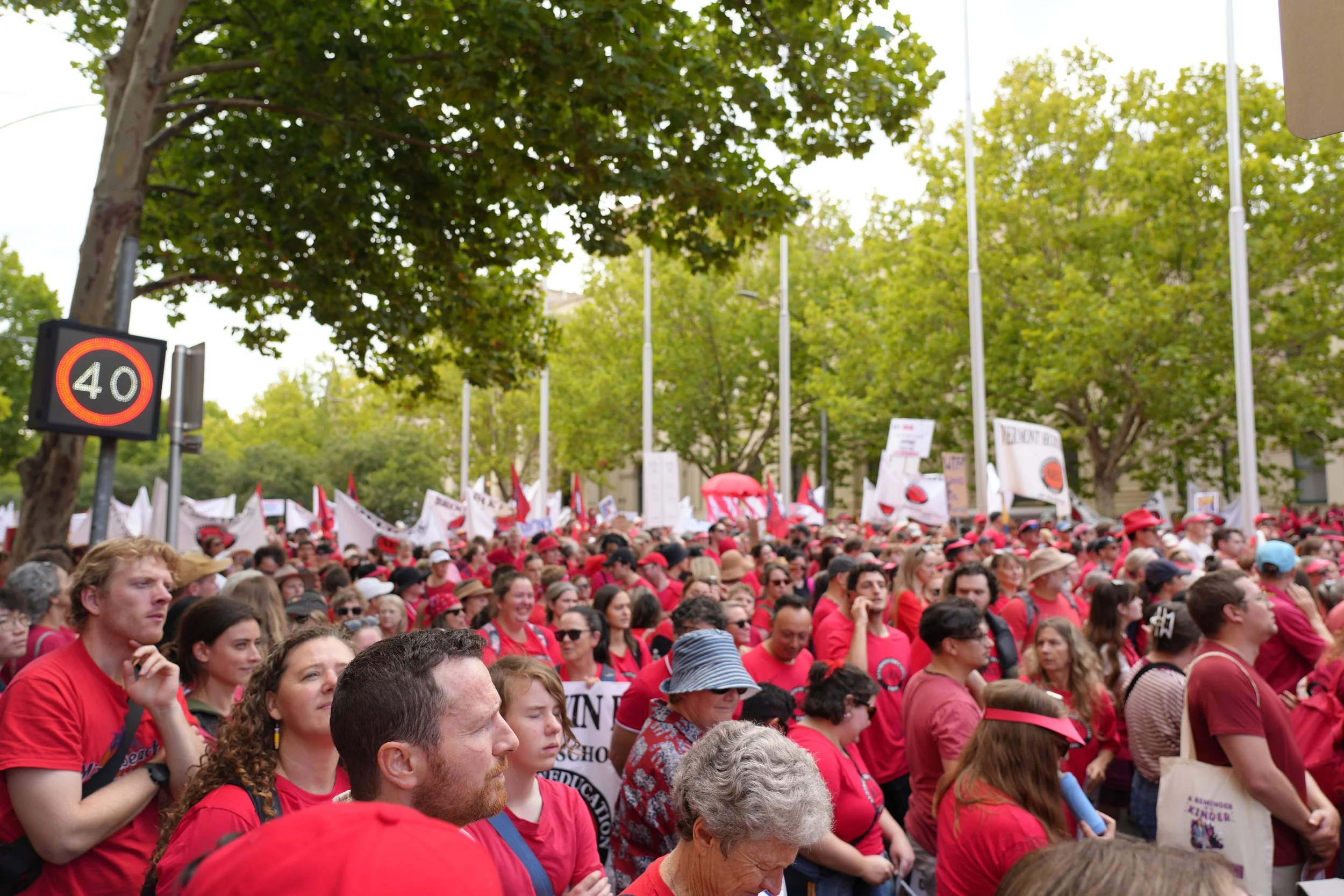
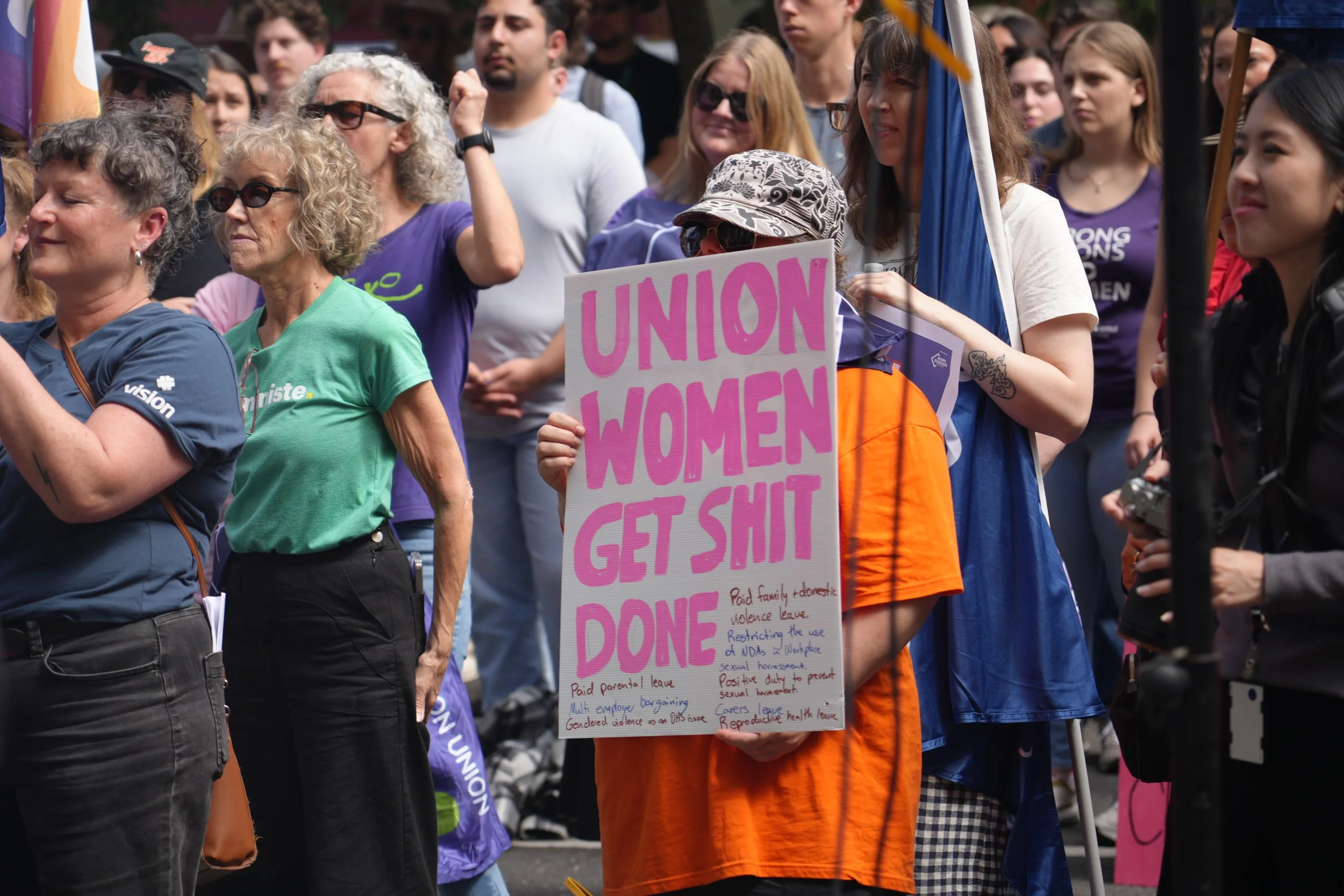
Principal Solicitor Laura Blandthorn’s recent presentation at Clarence last month, offered a practical overview of gendered violence in the workplace, highlighting how it shows up in everyday behaviours and who it impacts. Creating safer, more respectful workplaces requires proactive, collective action backed by clear legal obligations. Read more to understand your rights as a worker and how you can contribute to making a safer workplace.