
Sexual Harassment
-
At Solidarity Solicitors, we provide strategic, trauma-informed advice and representation for workers. We understand that these experiences can have a profound impact on your wellbeing, career, and financial security, and we work alongside our clients to achieve practical and meaningful outcomes.
Experiencing sexual harassment at work can be upsetting, stressful and isolating. You do not have to face it alone.
If you have experienced sexual harassment, unwanted sexual behaviour, or a workplace has failed to protect your safety, we can help you understand your rights and the options available to you.
insert lifeline support here
What is Sexual Harassment?
Sexual harassment is defined as unwelcome sexual behaviour that causes a person to feel offended, humiliated or intimidated.
It includes:
Book your free initial consult with us today
unwelcome sexual advances
unwelcome request for sexual favours
other unwelcome sexual conduct
Sexual harassment can happen in many different ways. It can be physical, written or verbal.
The Victorian Human Rights Commission identifies the following examples:
comments about someone’s private life or the way they look
sexually suggestive behaviour, such as leering or staring
brushing up against someone, touching, fondling or hugging
sexually suggestive comments or jokes
displaying offensive images or objects
repeated requests to go out
requests for sex
sexually explicit emails, text messages or posts on social media
sexual assault
suggestive behaviour.
“It’s just a joke” doesn’t matter.
If it is insulting, threatening, and unwelcome, it is still harassment
If you have experienced sexual harassment at work, you may have rights under the Federal Sex Discrimination Act 1984 (Cth). Even a single incident can be enough to access legal protections, including options to seek compensation or resolution.
It's against the law for an employer to treat you unfairly because you've spoken up.
This unfair treatment can include:
Being fired
Having your hours cut
Being demoted
Missing out on opportunities or being treated differently at work.
The law protects workers who speak up about problems like discrimination, unsafe work, or unpaid wages.
Time Limits Can Apply!

In some circumstances, workers may have as little as 21 days to commence certain legal processes following dismissal.
Seeking advice as early as possible can help preserve your rights and options.
What can you do if you’re being sexually harassed?
Keep a record
Jotting down what happened may help if you decide to seek support or take action later.

Contact your union
Your union may be able to guide and support you through the process.
Reach out for legal advice
Jotting down what happened may help if you decide to seek support or take action later.
Take care of yourself
Be gentle with yourself and seek support from people or services you trust.
How we can help:
If you've experienced discrimination, we're here to listen and help you understand your options.
Our team provides trauma-informed, practical legal advice and will support you every step of the way.
We have covered from:
and more.
Book a trauma informed, obligation free consultation with Laura today
Resources:
Latest Updates
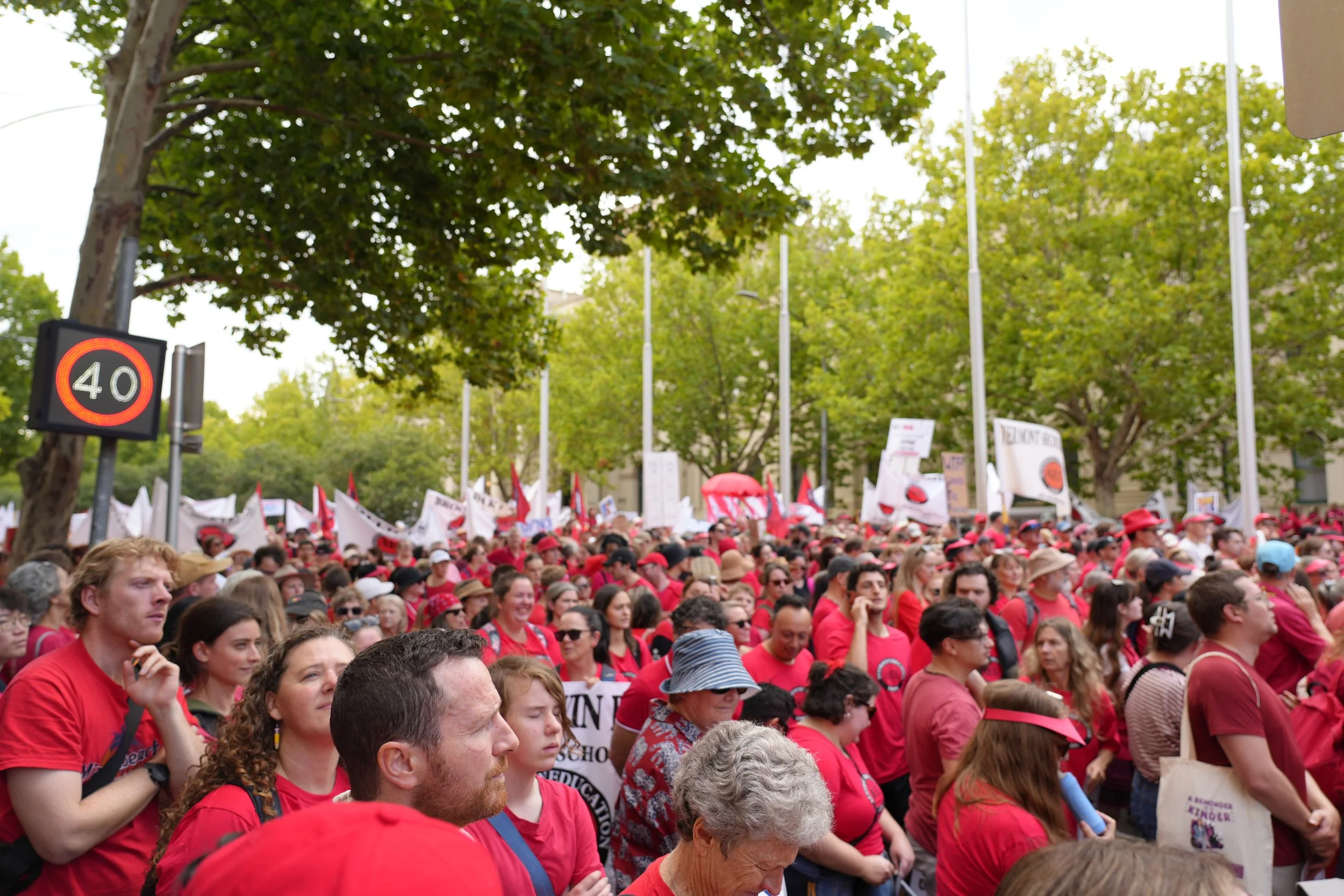
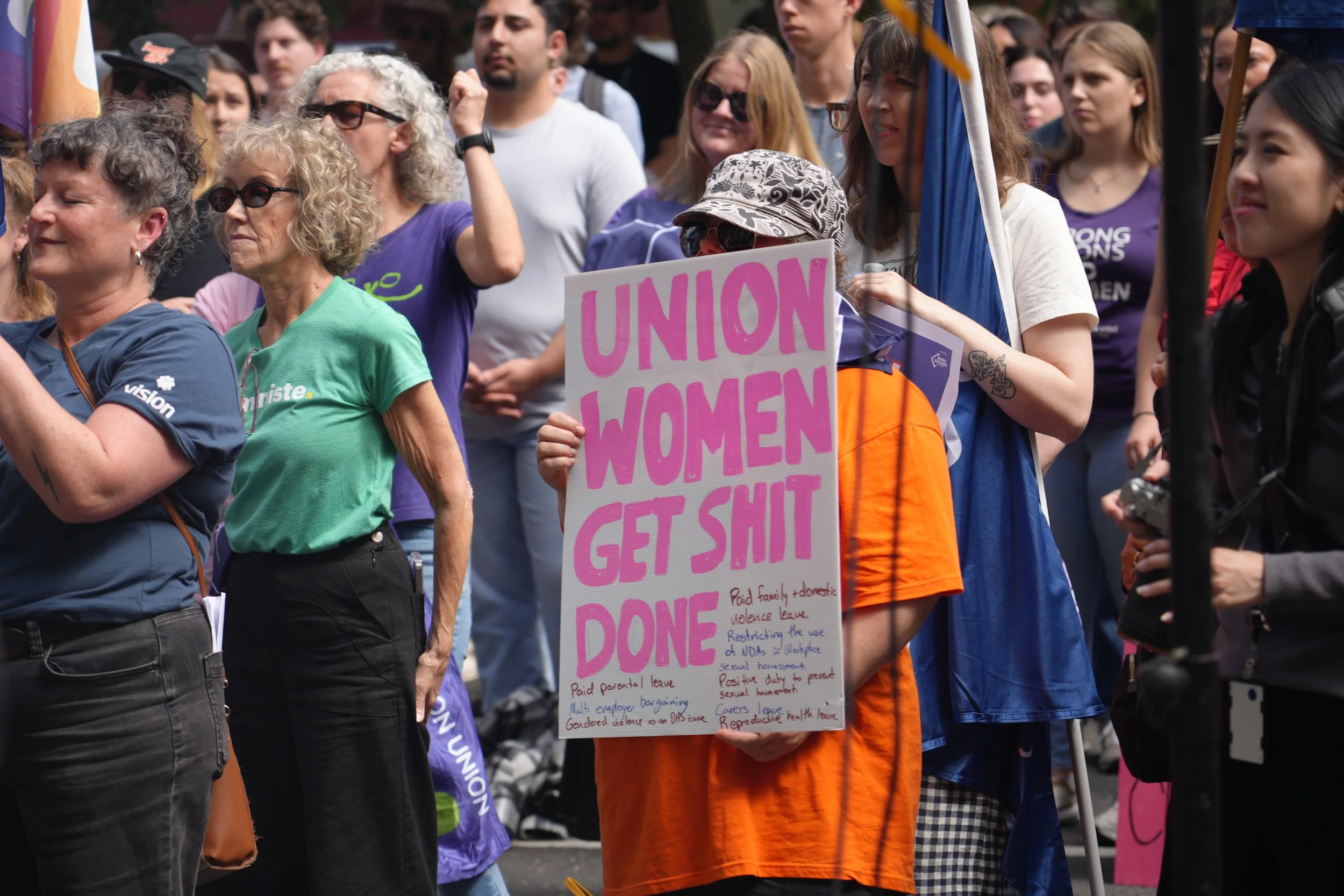
Principal Solicitor Laura Blandthorn’s recent presentation at Clarence last month, offered a practical overview of gendered violence in the workplace, highlighting how it shows up in everyday behaviours and who it impacts. Creating safer, more respectful workplaces requires proactive, collective action backed by clear legal obligations. Read more to understand your rights as a worker and how you can contribute to making a safer workplace.